Hip pain that limits walking, climbing stairs, or even sleeping doesn't always mean surgery — but sometimes it's exactly what restores a normal life. Dr. Rajendra Abhyankar, with 39+ years of experience, explains when hip replacement is truly the right choice.
Vasant, 64, a retired schoolteacher, had been quietly living with hip pain for nearly three years. He assumed it was just "old age" and adjusted his life around it — giving up his morning walks, avoiding the temple stairs, sleeping on his back because lying on his side hurt too much. It was only when he could no longer sit cross-legged to pray that his daughter insisted he see a doctor. "I thought this was just part of getting old," he said. "I didn't realise how much of my life I had quietly given up."
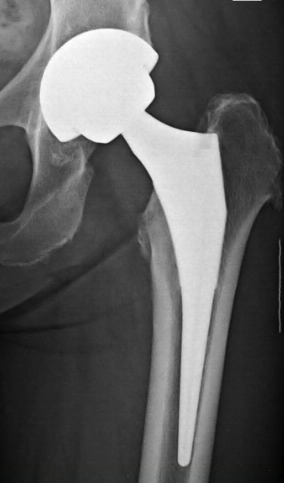
Hip replacement (also called total hip arthroplasty) is a surgical procedure in which the damaged ball-and-socket components of the hip joint are removed and replaced with artificial implants — typically made of metal, ceramic, or high-grade plastic. The goal is simple: eliminate the pain caused by bone rubbing on bone, and restore smooth, comfortable movement to the joint.
Several conditions can wear down or damage the hip joint to the point where replacement becomes necessary:
Not necessarily — and this is the most important thing to understand before worrying about an operation. Hip replacement is generally considered only after conservative (non-surgical) treatment has been tried and hasn't given adequate relief.
The first line of treatment typically includes:
Reducing excess weight significantly lowers the load on the hip joint.
Targeted exercises to strengthen the muscles around the hip and maintain flexibility.
A cane or walker can meaningfully reduce joint stress and pain during daily activities.
Anti-inflammatory drugs and pain relief medication to manage symptoms.
Adjusting movements and routines that aggravate the joint.
Many patients manage comfortably for years with these measures. Surgery becomes the right choice only when pain and disability persist despite proper conservative treatment, and when it is genuinely affecting quality of life — sleep, mobility, independence, and the ability to do the things that matter to you.
Modern hip replacement surgery has advanced considerably. Many procedures today use minimally invasive techniques, which involve smaller incisions and less muscle disruption, contributing to a faster recovery. The surgery is typically performed under spinal or general anaesthesia and takes about one to two hours. Most patients are encouraged to stand and begin walking with support within a day or two of surgery — early mobilisation is now understood to significantly improve recovery outcomes.
Recovery is a gradual, well-structured process:
Certain precautions — like avoiding specific hip positions in the first few weeks — help protect the new joint while it heals. Physiotherapy starts early and continues for several weeks to rebuild strength and range of motion, and full recovery and muscle strength can take a few months.
Modern hip implants are built to last — typically 15 to 20 years or more, and often the lifetime of the patient for older individuals — allowing most people to return to walking, light exercise, and daily activities without the pain that brought them to the hospital in the first place.
Hip replacement is generally recommended when:
If hip pain is limiting your daily life in Kolhapur, our orthopaedic team at Purva Hospital can help assess whether conservative treatment or surgery is right for you — and guide you through whichever path gives you back your mobility and independence. Read more about joint replacement surgery at Purva Hospital.
This article is for general educational purposes and is not a substitute for personalized medical advice. Please consult a healthcare professional for an evaluation of your specific condition.
Patient names used in this article have been changed and are fictional. Any resemblance to actual persons, living or dead, is purely coincidental. Cases are presented for educational purposes only.

Dr. Rajendra Abhyankar is a pioneer orthopaedic surgeon and the guiding force behind Purva Hospital's orthopaedics department, bringing more than 39 years of clinical expertise to the people of Kolhapur, with particular focus on joint replacement, fracture management, and sports medicine.
View Full Profile →Book a consultation with Dr. Rajendra Abhyankar — an honest assessment of whether you need surgery, and the right treatment plan either way.