Your periods used to come on time, but now they're late, unpredictable, or have stopped altogether — Dr. Tanvi Hirekerur-Abhyankar explains the 13 possible causes, how it's diagnosed, and what to do next.

Anjali, 32, had noticed her periods becoming unpredictable over the past few months — sometimes early, sometimes very late. At first she brushed it off, assuming it was just stress and would settle on its own. But when three months passed without a period at all, she came to see me, worried. "Doctor, it always came exactly on time before — what changed?" This is one of the questions I hear most often in my clinic.
In the previous article, we discussed Primary Amenorrhoea — when a girl's periods never start at all. In this article, we'll talk about a different, far more common concern that Anjali and countless other women face: Secondary Amenorrhoea — when periods that were previously regular suddenly, or gradually, become irregular or stop altogether.
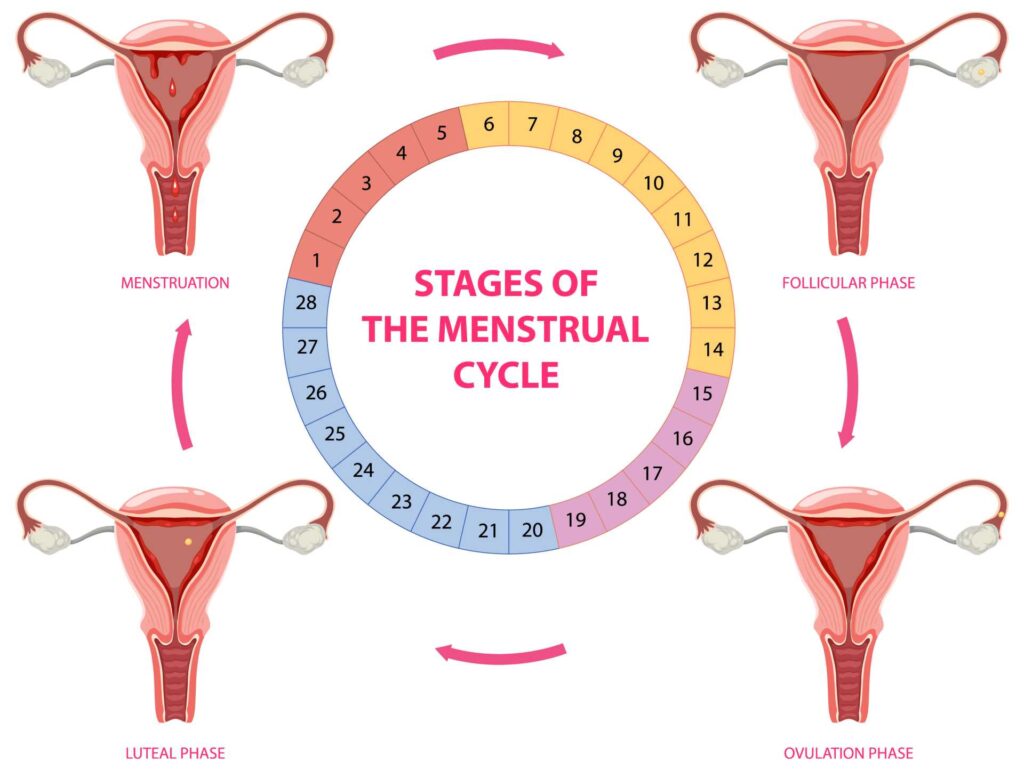
A normal menstrual cycle typically occurs every 30 to 45 days. When a cycle that was previously regular starts arriving late — sometimes stretching to three to six months between periods, or stopping entirely — this is called Secondary Amenorrhoea. It can occur at any age, from young women in their twenties to women approaching their fifties. When bleeding does occur, it may be normal in amount, or it may last unusually long.
This is always the first thing to rule out. A missed period is often ignored at first, and the pregnancy only becomes obvious three or four months later when the abdomen visibly grows.
During the period a mother is breastfeeding, periods often don't return on schedule — this is a completely natural, hormone-driven response.
Long-term use of contraceptive pills can gradually reduce and eventually stop menstrual bleeding — the flow lightens first, then periods stop altogether. They typically return some time after stopping the pills. The specific contraceptive pills used during breastfeeding, as well as contraceptive injections, can also cause irregular periods.
Medications for mental health conditions, particularly those used for schizophrenia, can interfere with the menstrual cycle as a side effect.
The mental stress of today's fast-paced lifestyle is a very significant factor. As tolerance for handling difficult situations changes, the brain functions under continuous strain, causing major hormonal shifts that disrupt the cycle.
Very intense or excessive exercise sharply reduces the body's fat percentage, which in turn disrupts the hormonal signals needed for a regular cycle.
Fad diets or unhealthy eating habits adopted for rapid weight loss can directly cause menstrual irregularities.
Weight gain is one of the most common causes seen in practice — often occurring gradually once life settles into a routine. This shifts the hormonal balance and disrupts the regularity of periods.
Conditions such as diabetes, thyroid disorders, tuberculosis, and anaemia can all disrupt the menstrual cycle.
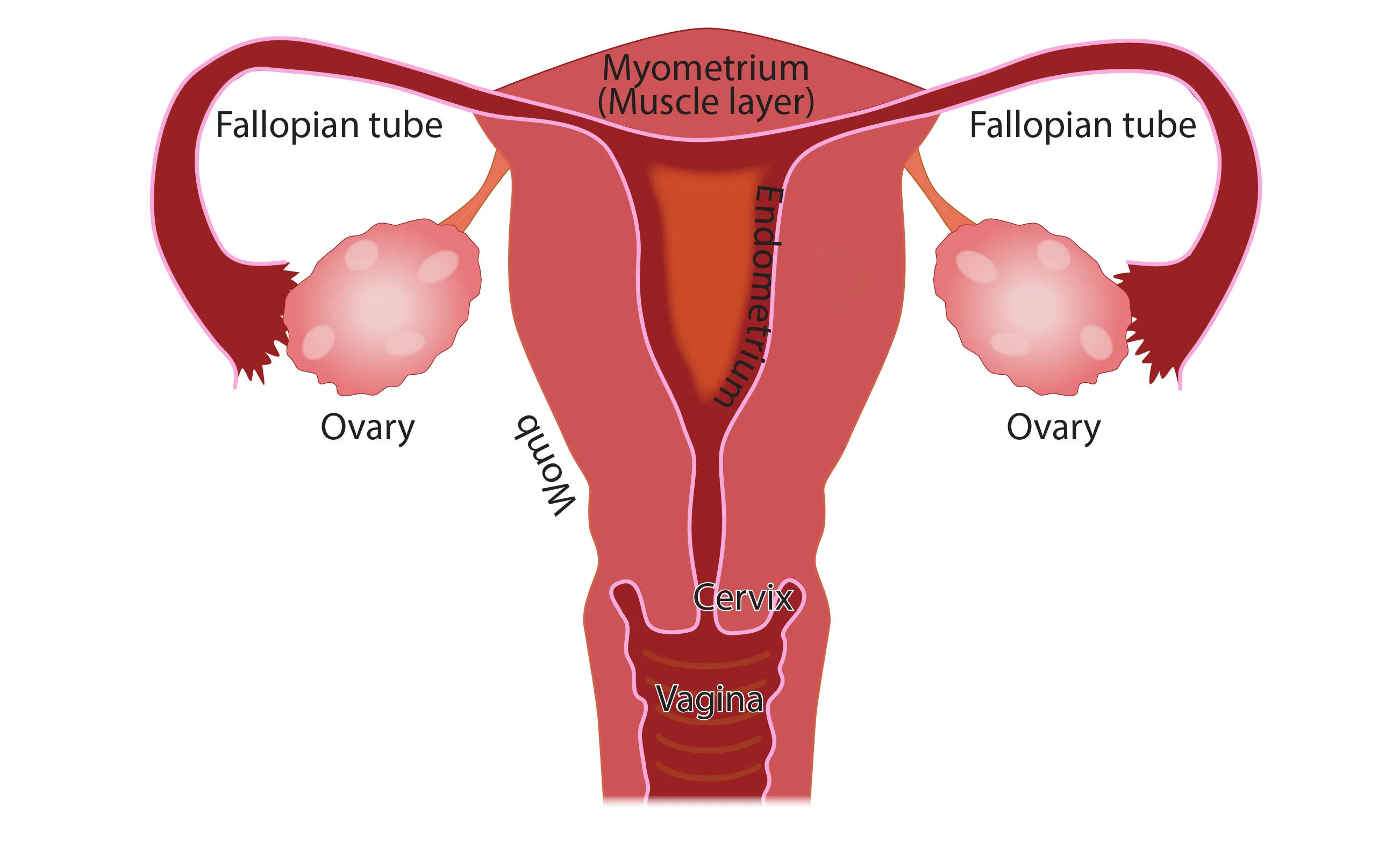
Multiple abortions, repeated D&C (uterine cleaning) procedures, or multiple childbirths can lead to menstrual problems. Scar tissue (adhesions) can form inside the uterine cavity, physically blocking the lining from shedding normally each month.
Cysts on the ovaries can also be a cause of missed or irregular periods.
In the years leading up to menopause, it's common and expected for periods to become highly irregular before stopping altogether.
PCOD is an increasingly common condition seen in young women today, and one of the most frequent causes of secondary amenorrhoea. Given how common and important it is, we'll cover PCOD in detail in a dedicated article.
The following investigations help pinpoint the exact cause:
Pregnancy test — the very first step, to confirm or rule out pregnancy.
Blood tests — checking haemoglobin and blood sugar levels, along with thyroid and prolactin hormone levels.
Ultrasound (sonography) — to assess the condition of the uterus and ovaries.
HSG (Hystero Salpingography) — used to check for scar tissue inside the uterus or signs of tuberculosis affecting the reproductive organs.
Once the specific cause of irregular periods is understood, treatment can be tailored accordingly. Very often, the underlying issue is simply incorrect exercise habits or an unsuitable diet — in these cases, guidance from a qualified dietitian can make a real difference.
If your periods have become irregular or have stopped for more than two to three months, don't wait it out on your own. Our gynaecology team at Purva Hospital, Kolhapur can help identify the cause and guide you through the right treatment.
This article is for general educational and awareness purposes only and is not a substitute for personalised medical advice. If your periods remain irregular or absent for two to three consecutive months, please consult a gynaecologist.
Patient names used in this article have been changed and are fictional. Any resemblance to actual persons, living or dead, is purely coincidental. Cases are presented for educational purposes only.

Dr. Tanvi Hirekerur-Abhyankar is a gynaecologist and obstetrician at Purva Hospital, Kolhapur. She has a particular interest in high-risk pregnancies, adolescent gynaecology, and women's health through all stages of life.
View Full Profile →Speak with Dr. Tanvi — early evaluation is always better than waiting and worrying.