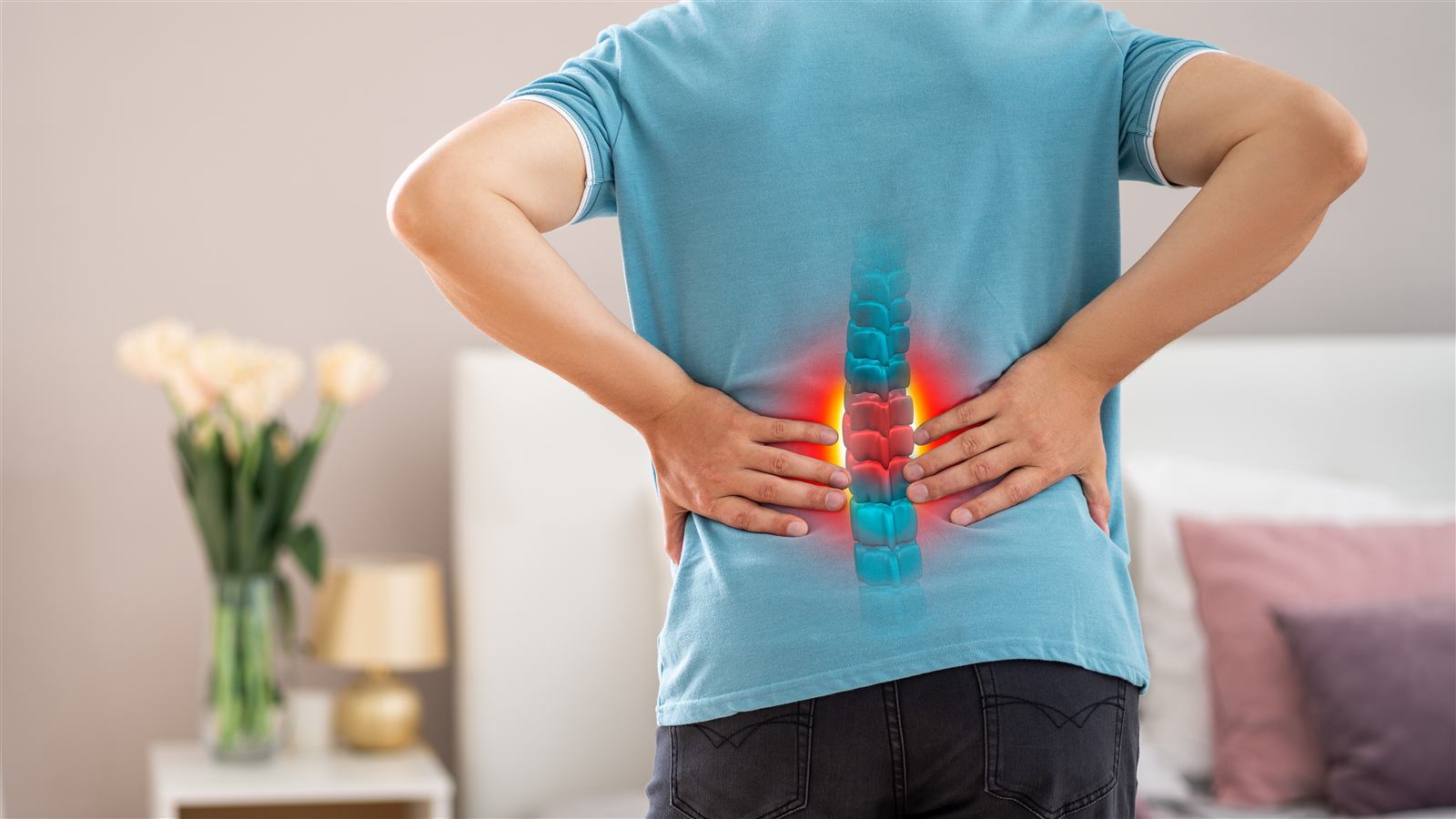
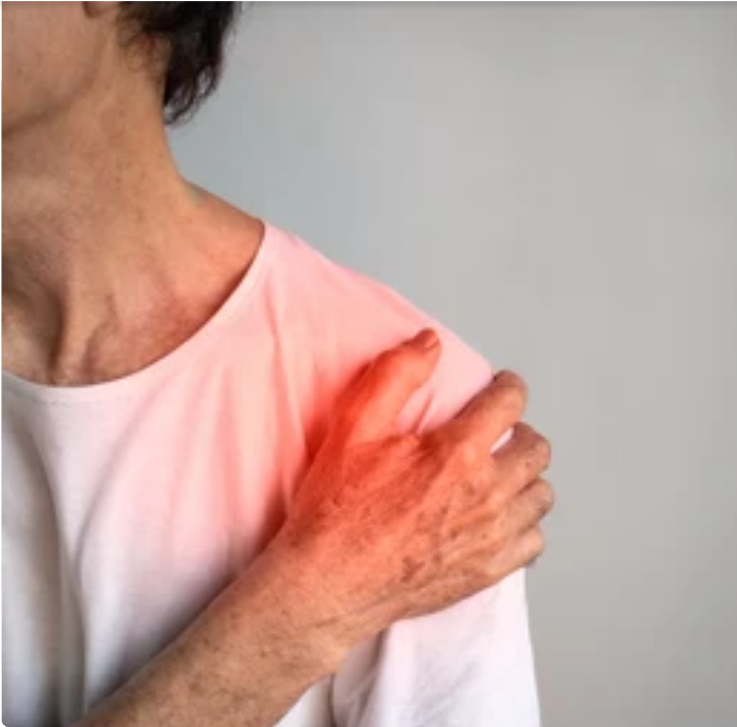
Neck pain, stiffness, and tingling in the arm can all trace back to cervical spondylosis — a condition that's becoming more common as screen time rises. Dr. Rushikesh Abhyankar explains what it is and when it actually needs treatment.

Amit, 38, works as a software engineer and spends nine to ten hours a day hunched over his laptop. For the past year, he'd had a dull, nagging ache at the back of his neck that occasionally spread into his shoulder. He put it down to stress and poor sleep — until one morning he woke up with a sharp pain and tingling running down his right arm. He searched his symptoms online and found terms like "cervical spondylosis," "slip disc in the neck," and "herniated disc" — and walked into the clinic convinced he needed surgery.
Cervical spondylosis is age-related wear and tear affecting the discs and joints of the neck (the cervical spine). It is extremely common — by the age of 60, most people show some degree of these changes on an X-ray or MRI, whether or not they have any symptoms. In many ways, it's similar to grey hair: a natural part of ageing that doesn't, by itself, mean something is wrong. It only becomes a medical concern when it starts causing pain, stiffness, or nerve-related symptoms.
The discs and joints in the neck naturally lose water content and flexibility over the years, and small bony growths called osteophytes can develop as the spine tries to stabilise itself. Several factors speed this process up or bring on symptoms earlier:
Symptoms vary widely — some people have significant changes on a scan with no symptoms at all, while others have mild changes but noticeable discomfort. Common symptoms include:
Just as with lower back pain, this is the most common misunderstanding. The vast majority of people with cervical spondylosis are managed successfully without surgery, through conservative treatment alone.
It's also important to know that findings like "disc space narrowing" or "osteophytes" (bone spurs) on an X-ray or MRI are extremely common with age, and are frequently seen in people who have no pain at all. A scan finding is only meaningful when it matches your actual symptoms and physical examination — not the report on its own. This is why it's best to have a doctor interpret the scan rather than reading the report and assuming the worst.
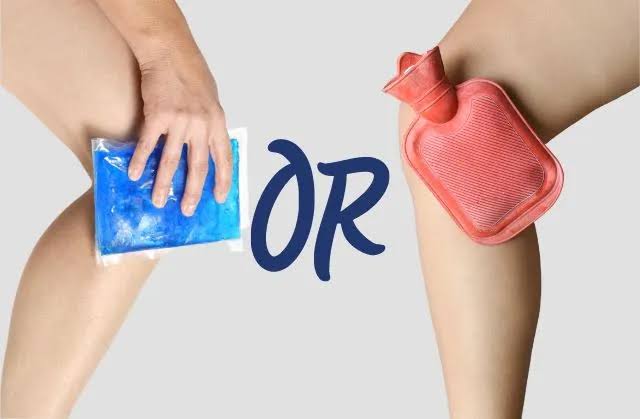
For most patients, treatment starts with a combination of the following — not surgery:
Most patients see meaningful improvement within a few weeks, and consistent posture correction and neck exercises significantly reduce the chance of recurrence.
While most cases are manageable conservatively, certain symptoms point to nerve or spinal cord compression that needs prompt medical evaluation:
Progressive weakness in the arms or hands, or difficulty with fine motor tasks like buttoning a shirt or holding objects — this can indicate cervical myelopathy, a more serious form of spinal cord compression.
If any of these occur, don't wait — these need urgent assessment, sometimes including surgery, to prevent permanent nerve damage.
If neck pain, stiffness, or tingling in your arm is affecting your daily life in Kolhapur, our orthopaedic specialists at Purva Hospital can help confirm the diagnosis, explain what your scan actually means, and guide you through the right treatment — starting with the conservative options that work for most people.
This article is for general educational purposes and is not a substitute for personalized medical advice. Please consult a healthcare professional before starting any new medication or exercise program.
Patient names used in this article have been changed and are fictional. Any resemblance to actual persons, living or dead, is purely coincidental. Cases are presented for educational purposes only.

Dr. Rushikesh Abhyankar is an orthopaedic surgeon specialising in knee replacement, arthroscopy, spine care and trauma care. He is fellowship-trained in robotic-assisted knee replacement and a published researcher in PubMed-indexed journals.
View Full Profile →Book a consultation with Dr. Rushikesh Abhyankar — walk-ins also welcome.