Led by Dr. Rajendra Abhyankar (39+ years) & Dr. Rushikesh Abhyankar — non-surgical and surgical management of back pain, disc problems and spinal deformities.
Back pain, neck pain, or a scary-sounding word on an MRI report — "slipped disc", "spondylosis", "stenosis" — can feel alarming, but the great majority of spine problems get better without surgery. At Purva Hospital, our orthopaedic team, led by Dr. Rajendra Abhyankar (39+ years of experience) and Dr. Rushikesh Abhyankar, takes a conservative-first approach to spine care: a careful clinical examination, review of your imaging, and a treatment plan that starts with the options proven to work for most people — physiotherapy, activity modification and medication — before surgery is ever considered. When surgery genuinely is the right answer, whether for a herniated disc, spinal stenosis or a spinal fracture, our team is equipped to manage it with the same in-house diagnostic and Operation Theatre facilities used across our orthopaedic practice.
Most back and neck pain — including disc herniation and spondylosis — responds well to physiotherapy, activity modification, and medication, without ever needing surgery. We start every patient here, reserving surgery for the minority of cases with red-flag symptoms (such as progressive weakness or loss of bladder/bowel control) or pain that hasn't improved after a genuine trial of conservative treatment. When surgery is needed, we perform it using the same in-house Operation Theatre, X-Ray and diagnostic facilities as the rest of our orthopaedic practice.
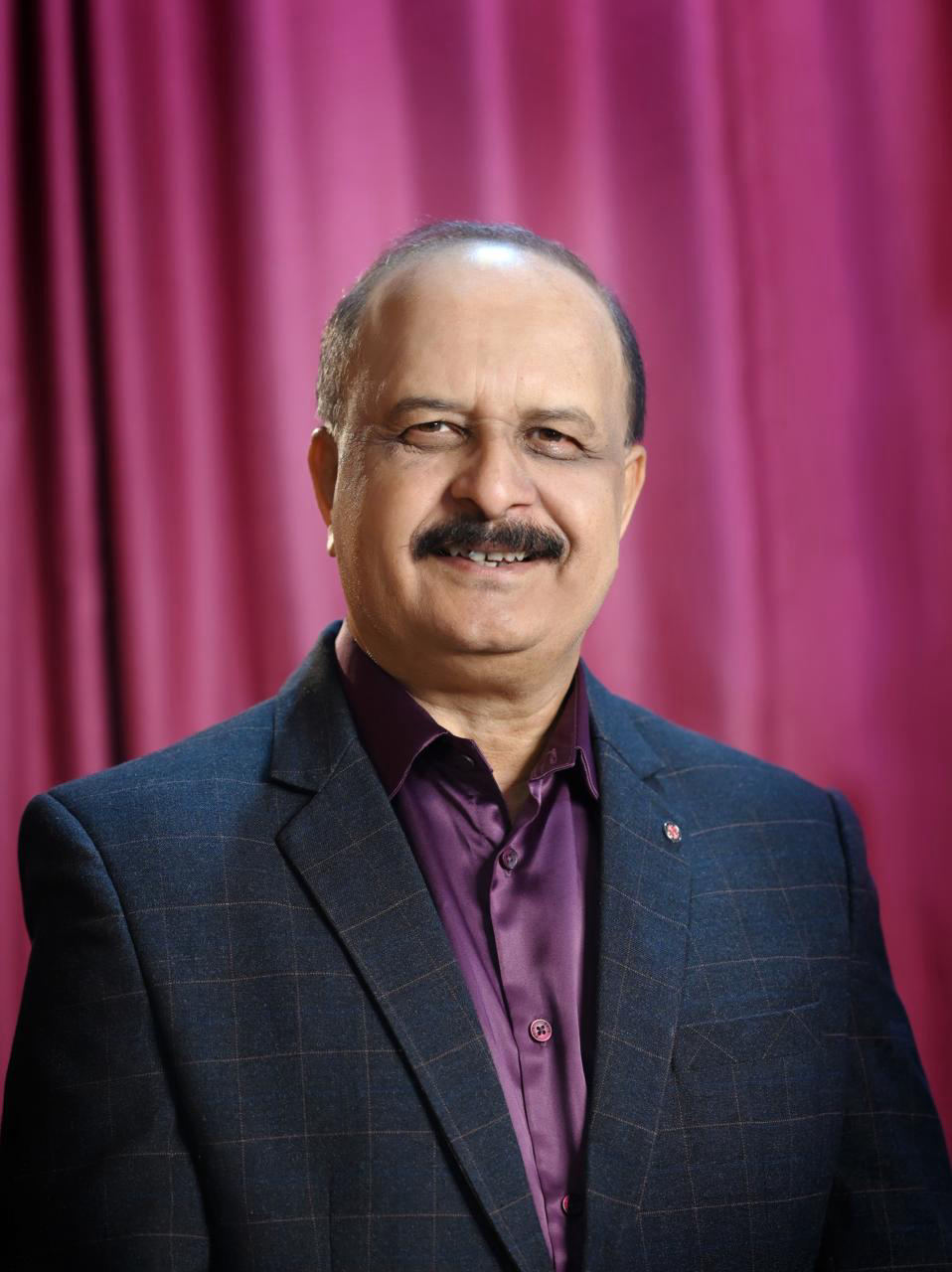
Former President, Maharashtra Orthopaedic Association, and the guiding force behind Purva Hospital's orthopaedics department — an expert in complex fracture and spine management.
View Full Profile →
Specialises in knee replacement, arthroscopy, spine care and trauma care, and a published researcher in PubMed-indexed journals.
View Full Profile →Usually not. The large majority of patients with a herniated disc or spinal stenosis improve significantly with physiotherapy, activity modification and medication. Surgery is reserved for cases with red-flag symptoms or pain that persists despite a genuine trial of conservative treatment — your doctor will guide you on which category you fall into.
Prolonged poor posture, especially forward head positioning while looking at a screen, places extra strain on the neck's discs and joints over time, contributing to cervical spondylosis. Regular breaks, posture correction and targeted neck exercises can help prevent and manage it.
See a specialist if back or neck pain lasts more than a couple of weeks, radiates into an arm or leg, is accompanied by numbness or weakness, or doesn't improve with rest and over-the-counter medication. Seek urgent care immediately for loss of bladder or bowel control, or sudden progressive weakness.
Book a consultation with Dr. Rajendra or Dr. Rushikesh Abhyankar — most spine problems can be managed without surgery.