Periods twice a month, very heavy flow, or bleeding after menopause — Dr. Bharati Abhyankar explains the causes at each age, the tests needed, and the treatments from medicines to Mirena and surgery.
Sangita, a cheerful mother of two who teaches at a school and also works part-time, walked into the consulting room one day looking worried. “Madam,” she said, “for the last two to four months my periods have been coming twice a month. I'm very anxious. What could be causing this?”
Many women have had the same experience. Sangita's periods were arriving on the 2nd of the month and again on the 26th. Is that a problem? To answer that, we first need to know what a normal period looks like.
A normal cycle comes every 24 to 35 days. The bleeding totals roughly 5 to 80 ml and lasts about four to six days. It becomes a period problem when:
If this sounds familiar, see a doctor. The cause depends a great deal on age, so let's look at each stage of life.
Small girls sometimes bleed a little. Objects such as pencils may be put into the vagina in play or out of curiosity, causing a small injury and bleeding. A vaginal infection or a hormonal disturbance can also be the reason. Very rarely, an ovarian tumour is responsible, and rarer still, sexual abuse — which needs sensitive evaluation.
In adolescence the ovaries have not yet fully matured and the brain's control over the cycle has not yet settled, so bleeding is irregular. Other causes include chromosomal problems, differences in how the uterus formed, vaginal infections and blood-clotting disorders.
Hormonal imbalance is the main cause. Problems during pregnancy and cysts in the ovaries can also be responsible — and so can medicines taken wrongly, especially abortion pills taken after seeing an advertisement, without enough information or a doctor's advice. These commonly cause irregular and heavy bleeding.
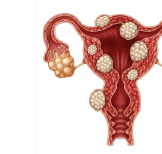
The causes now lie mainly in the uterus itself: fibroids, adenomyosis and endometriosis, and polyps (extra growths of the uterine lining). Thyroid disorders also appear at this age, and a copper-T can sometimes cause heavier bleeding. Most important of all, cancer of the cervix or the uterus must be ruled out.
Abnormal bleeding at this age needs serious attention, because it can be due to cancer of the uterus or cervix, or a polyp inside the uterus. Hormone replacement therapy (HRT) can also cause bleeding. Some women develop blood pressure, diabetes or blocked blood vessels after menopause and take blood-thinning medicines, which can lead to bleeding too. Vaginal infections are also more common at this age.
The same symptom — bleeding — can mean very different things at different ages. That is why the cause must be found before treatment is started.
Heavy bleeding can leave you weak, irritable, breathless and dizzy, because the haemoglobin level falls (anaemia). If a thyroid problem is behind it, you may also notice weight gain, dryness, a lack of enthusiasm, or feeling fed up with everything. Any of these is a reason to get checked — the first step is usually a blood test.
Blood tests — haemoglobin, thyroid function, and a check that the blood is clotting normally.
Internal (pelvic) examination — to judge the size of the uterus, look for lumps and detect infection.
Ultrasound (sonography) — usually done through the vagina, as it gives the clearest picture. It shows fibroids, polyps and the thickness of the uterine lining. A 3D or 4D scan can show exactly where a fibroid sits.
CT or MRI — only when cancer is suspected or more detail is needed.
Endometrial biopsy — a small procedure, like a curettage, in which a sample of the uterine lining is taken and examined by a pathologist. It is especially important after 40 and after menopause; it is the test that diagnoses cancer, and the report decides the treatment.
Hysteroscopy — a thin telescope is passed into the uterus to look at the lining directly. It is itself a small surgery; if a polyp is found it can be removed in the same sitting and sent for testing.
Pap smear and colposcopy — the mouth of the womb (the cervix) often has a large sore that bleeds. These tests can diagnose cervical cancer.
Heavy or irregular bleeding after 40, and any bleeding after menopause, deserves a proper check-up — including an endometrial biopsy where advised. Early diagnosis makes treatment simpler.
Once the diagnosis is made, treatment follows the cause. It falls into three broad groups: medicines, surgery, and other procedures. Let us begin with medicines.
Before choosing any of these we consider your age, how regular your periods are, and any other illnesses. In young girls, hormonal imbalance is the usual cause, so hormones are what is needed. Up to about 40, fibroids, adenomyosis or endometriosis may be behind the bleeding, and newer medicines are now available for fibroids and endometriosis, which can be used for a short period.
In young girls, a fibroid is operated on only if it is very large; small fibroids may shrink with medicines or are simply watched. In endometriosis, women who are trying for a pregnancy are first treated with medicines, and surgery is considered only if the condition does not settle. Wherever possible, surgery is done through a laparoscope (keyhole) — even a large fibroid can often be removed this way, clearing the obstacle to pregnancy.
If menopause has passed, removal of the uterus may be advised. But up to about the age of 50, every woman needs her uterus and ovaries to be working, so hysterectomy is the very last option. It becomes necessary if the biopsy shows an abnormality, if large fibroids press on neighbouring organs, or if endometriosis is severe and nothing else helps.
A small device placed inside the uterus that slowly releases a hormone (a progestogen) directly into the lining, which gradually reduces heavy bleeding. Because it acts locally, only a very small dose reaches the rest of the body, so side effects are minimal. We first check that it suits you. It works for five years, after which it is removed.
So heavy bleeding (menorrhagia) is not always a reason to remove the uterus. Doing so at a young age can mean living the rest of your life without natural hormones, which affects every part of the body from head to toe. A careful diagnosis, followed by the least invasive treatment that works, is the right approach.
If your periods are too heavy, too frequent or irregular, don't wait it out. Our gynaecology team at Purva Hospital, Kolhapur can find the cause and guide you through the right treatment.
This article is for general educational and awareness purposes only and is not a substitute for personalised medical advice. If your periods are very heavy, too frequent or irregular — or if you bleed after menopause — please consult a gynaecologist.
The patient name used in this article has been changed and is fictional. Any resemblance to actual persons, living or dead, is purely coincidental. The case is presented for educational purposes only.

Dr. Bharati Abhyankar is a senior obstetrician and gynaecologist with over 37 years of experience, specialising in colposcopy, cervical cancer screening, and routine obstetric and gynaecological care.
View Full Profile → Women's Health
Your periods used to come on time — now they're late or have stopped. Dr. Tanvi explains the 13 possible causes and what to do next.
 Women's Health
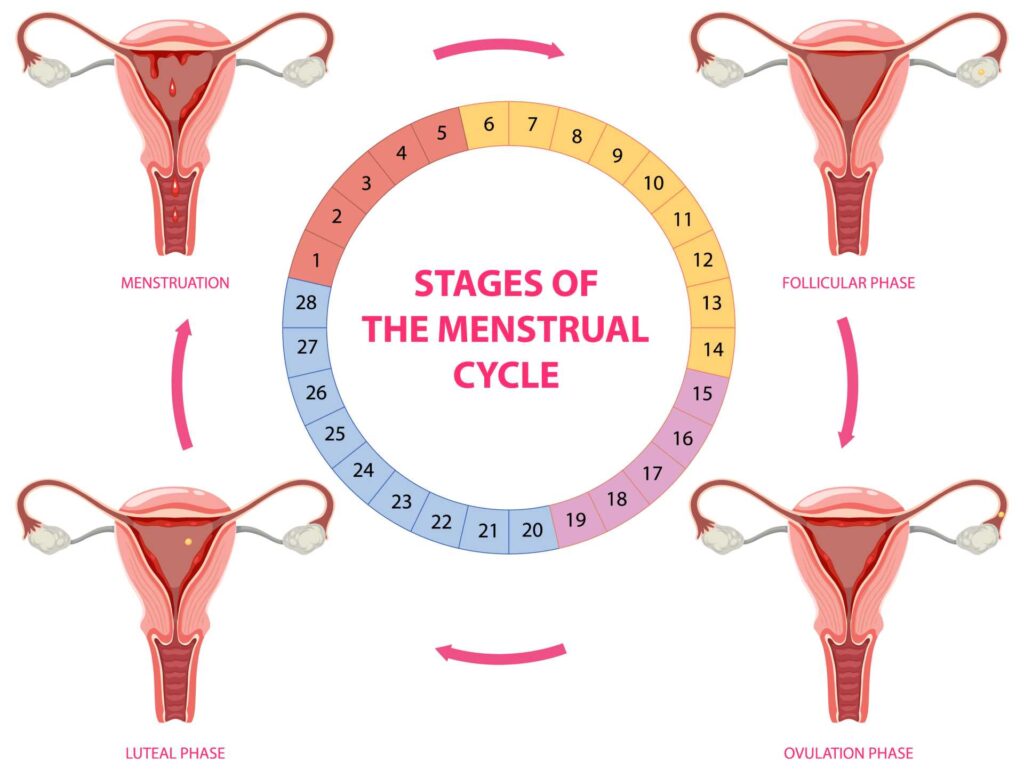
The three phases of the cycle, plus common problems like irregular periods, heavy bleeding & cramps — a guide by Dr. Bharati.
 Women's Health
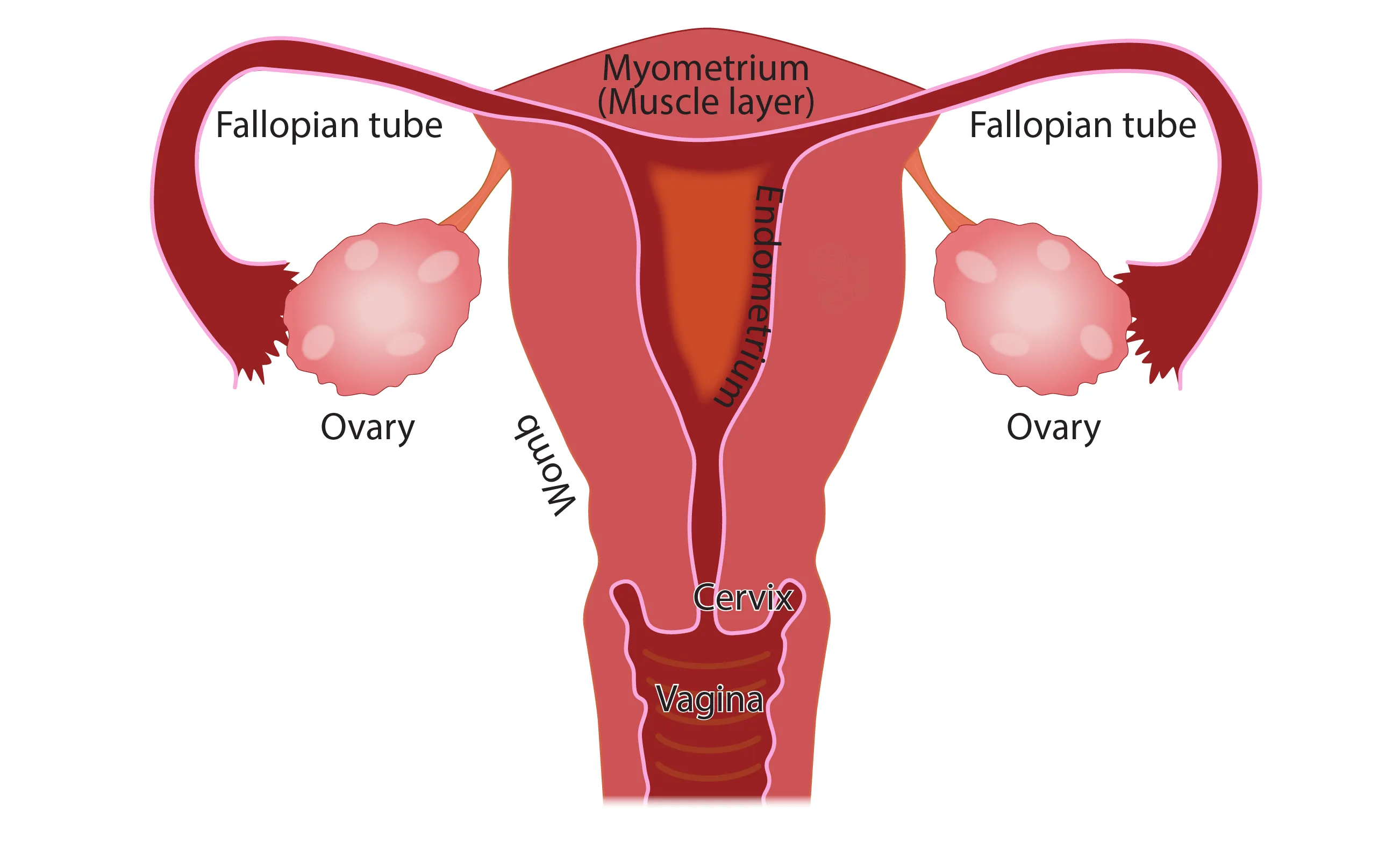
Puberty changes, what to expect from your first periods, normal cycle & flow, and when to see a doctor — a guide by Dr. Bharati.
Speak with Dr. Bharati — early evaluation makes treatment simpler.